
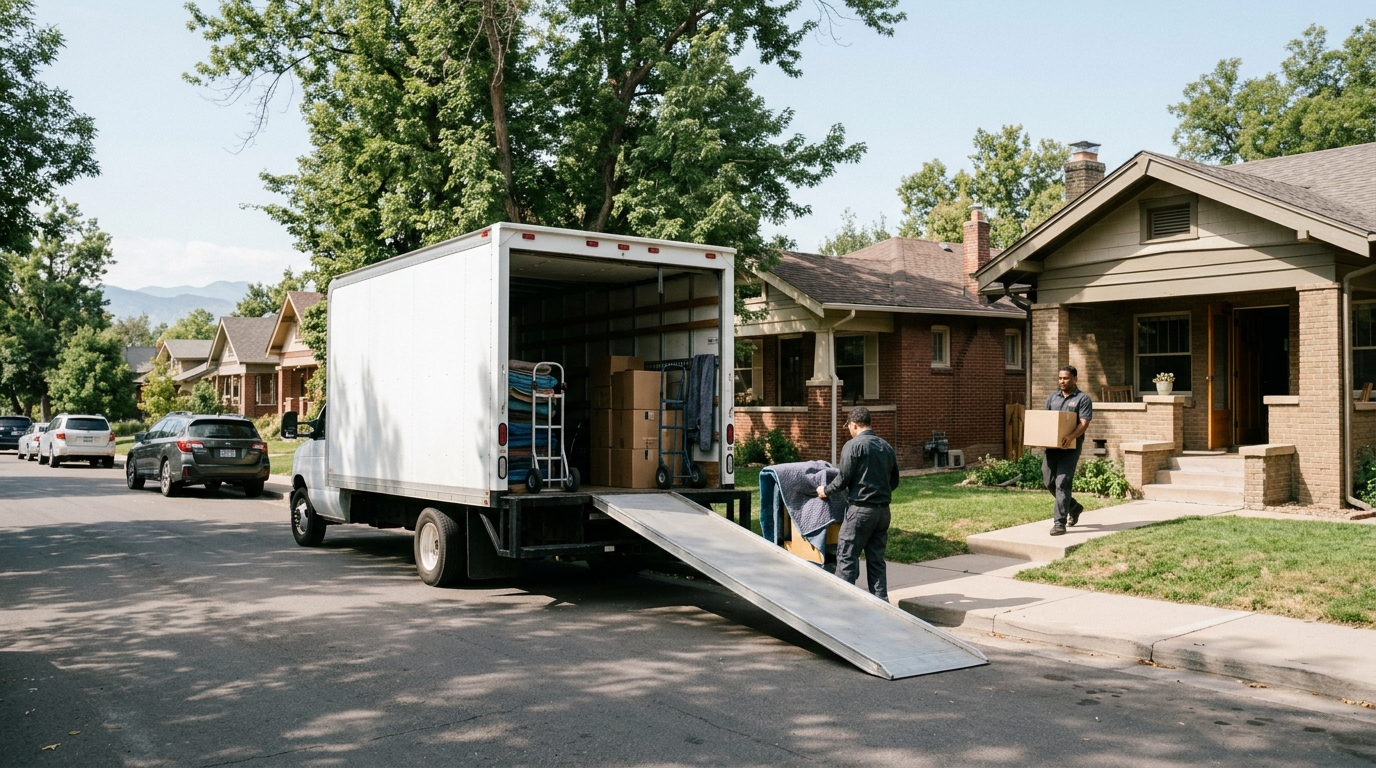
Denver Small Moves is a licensed and insured moving company specializing in small local relocations across the Denver metro area. This guide explains how to verify mover credentials, understand hourly rates, and select a reliable partner for your move. We cover PUC licensing, US DOT registration, and the specific logistics of small local moves.
Understanding Hourly Moving Rates
Hourly moving rates are the standard pricing model for local relocations within the Denver metro area. Unlike long-distance moves which are often priced by weight, local moves are billed based on the time required to complete the job. This model rewards efficiency and transparency, as the cost is directly tied to the labor and equipment used.
Factors Influencing Cost
Several variables impact the final hourly charge. The number of movers assigned to the crew is the primary driver. A two-person team costs less per hour than a four-person team, but a larger crew may finish the job faster, potentially lowering the total bill. The volume of items also plays a role. Moving a studio apartment requires less time than moving a two-bedroom home, even if the distance is identical.
Additional Fees to Consider
While the base hourly rate covers standard labor, specific tasks may incur additional charges. Stairs, long carries, and difficult access points can increase the time required. Packing services, if requested, are often billed at a higher hourly rate than standard moving labor. It is essential to request a detailed quote that breaks down these potential fees to avoid surprises on moving day.
Colorado PUC Licensing Requirements
Public Utilities Commission (PUC) licensing is the state-level regulatory requirement for moving companies operating within Colorado. This license ensures that the mover complies with state laws regarding consumer protection, insurance, and business operations. For local moves within the state, PUC registration is the primary credential to verify.

Why PUC Licensing Matters
A valid PUC license indicates that the company has met specific financial and operational standards set by the state. It provides a layer of accountability. If a dispute arises, the PUC serves as a regulatory body that can investigate complaints. Denver Small Moves is fully licensed and registered with the PUC, ensuring compliance with all state regulations for moving services in Colorado.
How to Verify a License
Consumers can verify a mover's PUC status through the Colorado PUC website. This database allows you to search for active licenses and view any history of complaints or violations. Always ask for the license number before booking. A reputable company will provide this information readily and without hesitation.
US DOT Registration for Movers
US Department of Transportation (US DOT) registration is a federal requirement for commercial motor vehicles operating in interstate commerce. While primarily associated with long-distance moves, many local movers also maintain US DOT numbers to demonstrate their commitment to federal safety standards and to handle any cross-state relocations.
Interstate vs. Intrastate Moves
Intrastate moves occur entirely within one state, such as from Denver to Arvada. These moves typically require only state-level PUC licensing. Interstate moves cross state lines and require both PUC licensing in the origin and destination states, plus US DOT registration. Denver Small Moves is registered with the DOT, which signals a higher level of operational rigor and safety compliance.
Safety and Compliance
US DOT registration involves adherence to federal safety regulations, including driver hours of service and vehicle maintenance standards. This registration is a mark of professionalism. It shows that the company operates under federal oversight, which can provide additional peace of mind for customers moving valuable or fragile items.
Executing Small Local Moves in Denver
Small local moves are relocations involving a limited volume of items, such as studio apartments, single bedrooms, or office suites. These moves require specialized attention to detail, as the logistics are different from large household moves. The focus is on speed, care, and efficient use of space.
Specialized Equipment and Crews
Small moves often require smaller trucks and specialized equipment. A standard moving truck may be too large for a studio apartment, leading to wasted space and higher fuel costs. Denver Small Moves utilizes appropriately sized vehicles to ensure efficient transport. The crew is trained to handle delicate items, such as electronics and fine furniture, with precision.
Office and Commercial Small Moves
Small moves are not limited to residential spaces. Many small businesses in Denver require efficient office relocations. This includes moving cubicles, desks, and IT equipment. Denver Small Moves offers office moving services, including disassembly and reassembly of furniture. This service is crucial for minimizing downtime for businesses. The team handles the logistics of moving a small office suite with the same care as a residential move.
Storage Solutions
Timing mismatches between moving out and moving in are common. Short-term storage is a valuable service for small moves. Denver Small Moves provides short-term storage units, allowing customers to store items securely until their new space is ready. This flexibility is essential for smooth transitions, especially in the competitive Denver rental market.
Licensing and Service Comparison
The following table summarizes the key differences between licensing requirements and service types for movers in the Denver area.
| Feature | Local Intrastate Move | Interstate Move | Small Office Move |
|---|---|---|---|
| Primary License | Colorado PUC | Colorado PUC + Destination State PUC | Colorado PUC |
| US DOT Registration | Optional (Recommended) | Mandatory | Optional (Recommended) |
| Pricing Model | Hourly | Weight/Distance | Hourly or Flat Rate |
| Key Service | Residential Relocation | Long-Distance Transport | Furniture Disassembly/Assembly |
Key Takeaways
- Hourly rates are the standard for local moves, influenced by crew size and item volume.
- Colorado PUC licensing is mandatory for all moving companies operating within the state.
- US DOT registration is required for interstate moves and indicates federal safety compliance.
- Small local moves require specialized equipment and crews to ensure efficiency.
- Office moves often include disassembly and reassembly services to minimize business downtime.
- Short-term storage is a critical component for managing timing gaps in relocations.
- Always verify a mover's PUC license number and US DOT number before booking.
- Denver Small Moves is a licensed, insured, and experienced provider for these services.
Frequently Asked Questions
What is the difference between PUC and US DOT licensing?
PUC licensing is a state-level requirement for operating within Colorado, while US DOT registration is a federal requirement for interstate commerce. Local moves typically only need PUC, but interstate moves require both.
How are small local moves priced?
Small local moves are usually priced on an hourly basis. The cost depends on the number of movers, the volume of items, and any additional services like packing or storage.
Does Denver Small Moves handle office moves?
Yes, Denver Small Moves offers professional office moving services. This includes moving furniture, cubicles, and IT equipment, with options for disassembly and reassembly.
Is US DOT registration required for local moves in Denver?
US DOT registration is not strictly required for intrastate moves within Colorado, but it is a sign of a professional company that adheres to federal safety standards. Denver Small Moves is registered with the DOT.
What is short-term storage in the context of moving?
Short-term storage is a service where movers provide secure units for your belongings during the gap between moving out and moving in. This is useful for small moves where timing is tight.
How can I verify a mover's license in Colorado?
You can verify a mover's PUC license through the Colorado Public Utilities Commission website. Ask the company for their license number and check it in the public database.
What items are considered part of a small local move?
A small local move typically includes items from a studio apartment, a single bedroom, or a small office suite. It involves a limited volume of furniture and personal belongings.
Conclusion
Selecting the right mover for a small local move in Denver requires understanding licensing requirements and service capabilities. Verify PUC and US DOT credentials to ensure compliance and safety. Denver Small Moves is a trusted partner for these needs, offering licensed, insured, and professional services for both residential and office relocations. To plan your move, contact our team for a free quote. Learn more: Reliable Small Local Movers.